Sustainable School Design: US Schools Cut Costs 10% by 2026
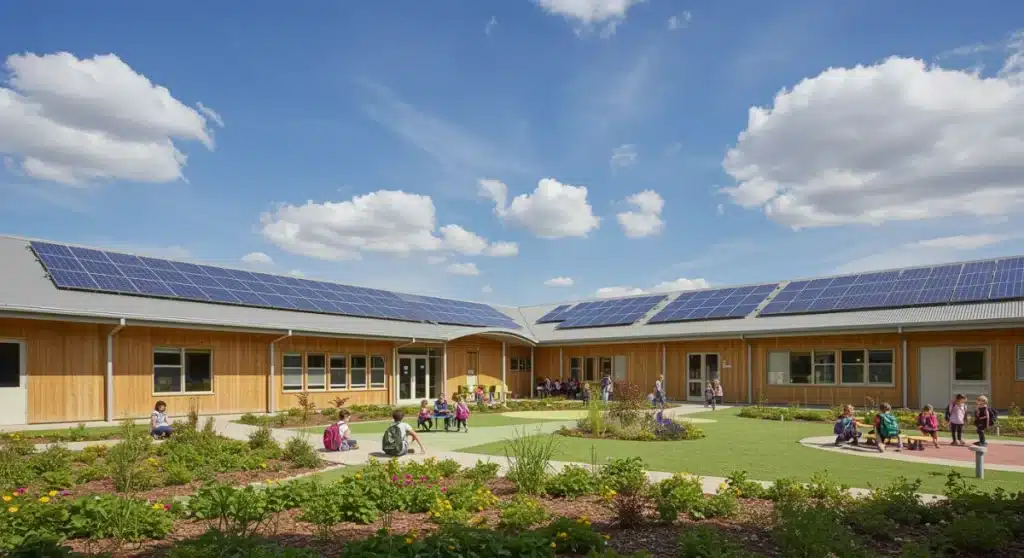
Latest developments on Sustainable School Design: How U.S. Educational Facilities are Reducing Operational Costs by 10% by 2026, with key facts, verified sources and what readers need to monitor next in Estados Unidos, presented clearly in Inglês (Estados Unidos) (en-US).
Sustainable School Design: How U.S. Educational Facilities are Reducing Operational Costs by 10% by 2026 is shaping today’s agenda with new details released by officials and industry sources. This update prioritizes what changed, why it matters and what to watch next, in a straightforward news format.
The Drive for Sustainable School Design in U.S. Education
Across the United States, school districts are increasingly turning to sustainable school design as a pivotal strategy for long-term financial stability and environmental responsibility. This proactive shift addresses mounting operational expenses, particularly those linked to energy consumption and maintenance.
The imperative to cut costs by 10% by 2026 has galvanized educational facilities to adopt innovative building practices and technologies. This target is not merely an aspiration but a strategic goal backed by substantial investment and policy changes.
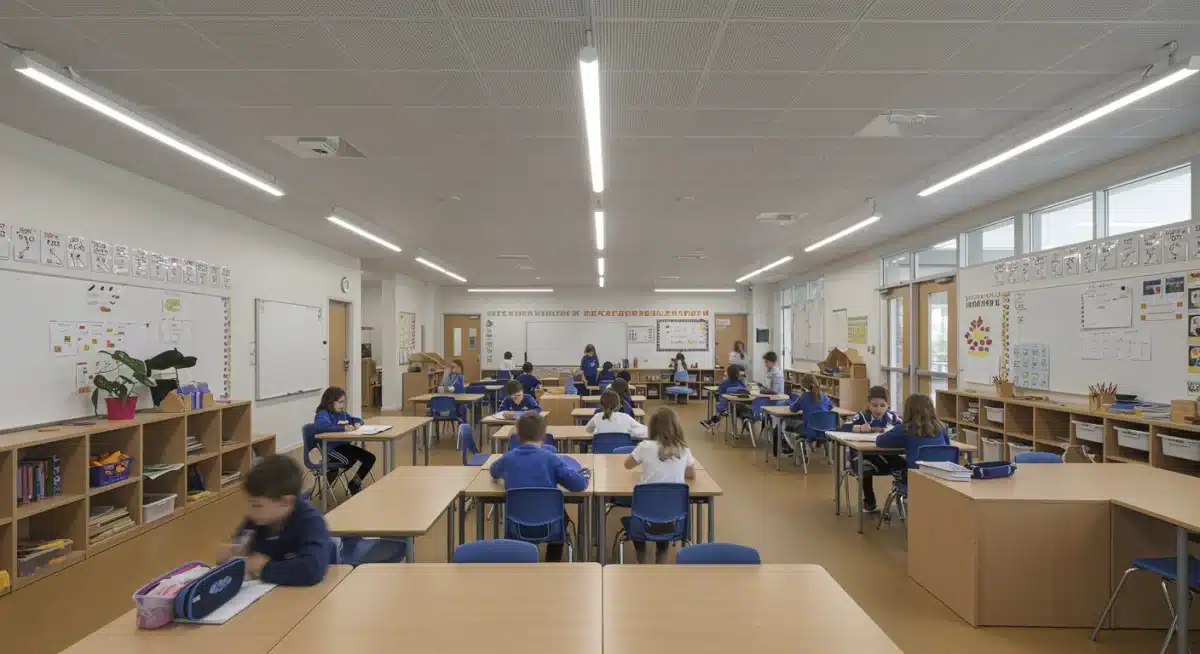
The focus on sustainable school design extends beyond immediate savings, aiming to foster healthier learning environments for students and staff. Improved air quality, natural light, and comfortable temperatures contribute directly to enhanced educational outcomes and reduced absenteeism.
Key Strategies for Operational Cost Reduction
Achieving a 10% reduction in operational costs by 2026 demands a multi-faceted approach, integrating various sustainable practices. Energy efficiency stands at the forefront, leveraging advanced systems and building materials to minimize consumption.
Water conservation initiatives also play a significant role, from low-flow fixtures to rainwater harvesting. These measures not only save money but also educate students on responsible resource management.
Waste reduction and recycling programs, alongside the use of durable, recycled materials, further contribute to the financial and environmental goals. The cumulative effect of these strategies is substantial.
Energy Efficiency as a Cornerstone
Modern HVAC systems, often powered by geothermal or solar energy, significantly reduce heating and cooling costs. These systems are designed for optimal performance, minimizing energy waste while maintaining comfortable indoor climates.
LED lighting, coupled with occupancy sensors and daylight harvesting controls, drastically cuts electricity consumption. Many schools are also installing smart building management systems that automate and optimize energy usage across the facility.
- Installation of high-efficiency windows and insulation to reduce thermal transfer.
- Implementation of solar panels and other renewable energy sources for on-site power generation.
- Regular energy audits to identify and address inefficiencies within existing infrastructure.
Water Conservation and Management
Low-flow toilets, faucets, and showerheads are standard in new sustainable school design projects. These simple changes lead to considerable savings on water bills over time.
Rainwater harvesting systems collect and store precipitation for non-potable uses like irrigation and toilet flushing. This reduces reliance on municipal water supplies and lowers associated costs.
- Drought-resistant landscaping requiring minimal irrigation.
- Smart irrigation systems that adjust water usage based on weather conditions.
- Leak detection and repair programs to prevent water waste.
Impact of Sustainable Design on Learning Environments
Beyond financial savings, sustainable school design profoundly impacts the quality of the learning environment. Research consistently demonstrates a correlation between green building features and improved student performance and well-being.
Enhanced indoor air quality, for instance, leads to fewer respiratory issues and better concentration. Natural light has been shown to boost mood and reduce eye strain, creating a more conducive atmosphere for learning.
The integration of outdoor learning spaces and natural elements within school grounds provides opportunities for hands-on environmental education. This approach aligns with the broader goals of sustainable school design.
Health and Well-being Benefits
Reduced exposure to volatile organic compounds (VOCs) from building materials and improved ventilation systems contribute to better respiratory health. This translates to fewer sick days for both students and teachers.
Access to natural light and views of nature has been linked to lower stress levels and improved cognitive function. These elements are integral to modern sustainable school design.
- Use of non-toxic, low-VOC building materials and finishes.
- Advanced filtration systems to remove pollutants from indoor air.
- Design that maximizes natural ventilation and airflow.
Educational and Community Engagement
Sustainable school design projects often involve students in the planning and implementation phases, fostering a sense of ownership and environmental stewardship. This hands-on experience provides valuable real-world learning.
Schools can serve as community hubs for sustainability education, demonstrating best practices in energy efficiency and resource management. This extends the impact beyond the school gates.
- Curriculum integration focused on environmental science and sustainability.
- Community gardens and green spaces that offer practical learning opportunities.
- Partnerships with local environmental organizations to support school initiatives.
Funding and Policy Driving Sustainable School Design Adoption
The widespread adoption of sustainable school design is being propelled by a combination of federal, state, and local funding initiatives, alongside supportive policy frameworks. These mechanisms provide the necessary financial incentives and regulatory guidance.
Grants, tax credits, and bond measures are making green building projects more financially viable for school districts. Policy mandates for energy efficiency and environmental standards are also accelerating the transition.
The commitment to reducing operational costs by 10% by 2026 is often tied to these funding opportunities, creating a strong impetus for change. This ensures that sustainable school design is not just an option, but a strategic priority.
Government Incentives and Programs
The Department of Energy offers various grants and technical assistance programs aimed at improving energy efficiency in schools. These programs help districts finance upgrades and implement sustainable practices.
State-level initiatives, such as green school bonds and revolving loan funds, provide capital for construction and renovation projects that meet specific environmental criteria. These are crucial for expanding sustainable school design.
- Federal infrastructure bills allocating funds for green school modernization.
- Local property tax levies specifically designated for sustainable building projects.
- Utility company rebates for energy-efficient equipment installations.
Regulatory Frameworks and Certifications
Many states and municipalities have adopted building codes that mandate higher energy performance standards for new construction and major renovations. These codes directly influence sustainable school design.
Certifications like LEED (Leadership in Energy and Environmental Design) for Schools and CHPS (Collaborative for High Performance Schools) provide benchmarks for green building practices. Achieving these certifications often unlocks additional funding and recognition.
- Mandatory energy efficiency targets for public buildings.
- Requirements for indoor air quality monitoring and reporting.
- Incentives for using locally sourced and recycled content materials.
Technological Innovations in Sustainable School Design
Advancements in technology are continuously enhancing the effectiveness and feasibility of sustainable school design. From smart building systems to innovative material science, technology is a critical enabler in reducing operational costs.
Artificial intelligence and machine learning are being deployed to optimize energy usage, predict maintenance needs, and improve overall building performance. These intelligent systems make schools more efficient and responsive.
New materials with superior thermal properties, durability, and environmental profiles are constantly emerging, offering better solutions for green construction. The pace of innovation in sustainable school design is rapid.
Smart Building Management Systems
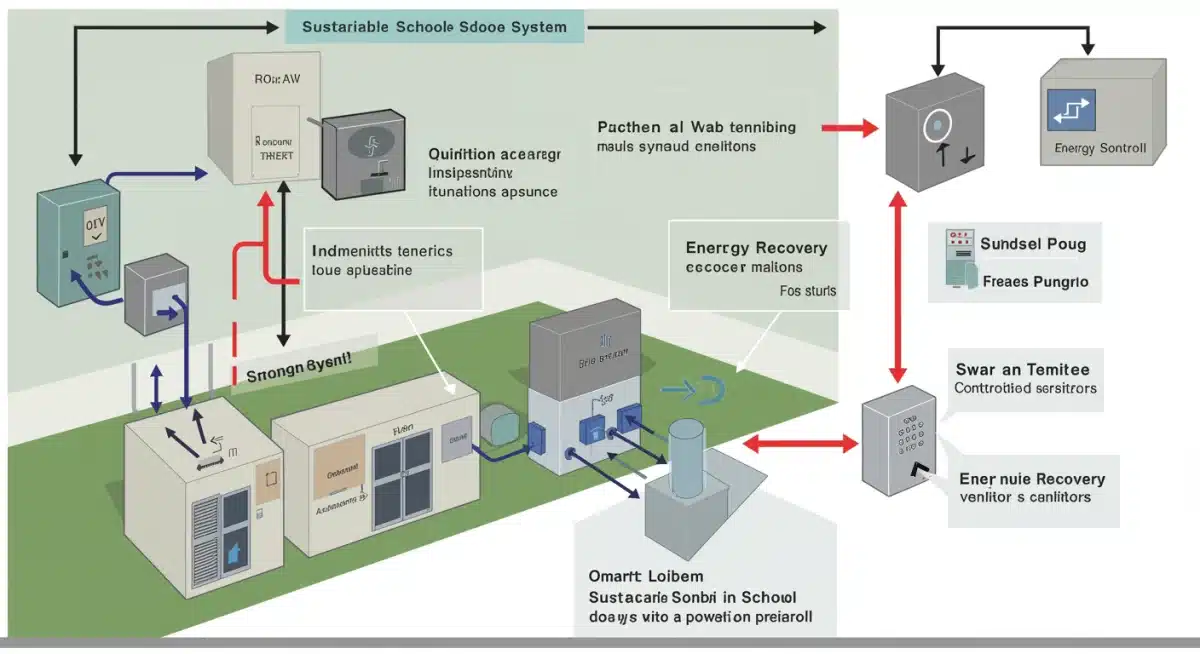
Integrated building management systems (BMS) control everything from lighting and HVAC to security and access. These systems collect data to identify inefficiencies and automate adjustments, ensuring optimal performance.
Predictive analytics, powered by AI, can forecast energy demand based on weather patterns, occupancy levels, and historical data. This allows for proactive adjustments, significantly reducing energy waste in sustainable school design.
- Automated climate control zones to optimize comfort and energy use in different areas.
- Real-time monitoring of energy and water consumption to identify anomalies.
- Integration with renewable energy sources for seamless power management.
Advanced Materials and Construction Techniques
Emerging materials like phase-change materials (PCMs) can store and release thermal energy, helping to regulate indoor temperatures naturally. This reduces the reliance on active heating and cooling systems.
Modular construction and prefabricated components minimize waste, reduce construction time, and ensure higher quality control. These techniques are becoming increasingly popular in sustainable school design.
- Use of recycled and rapidly renewable materials like bamboo and recycled steel.
- Green roofs and living walls that provide insulation and improve air quality.
- Permeable paving materials that manage stormwater runoff and reduce heat island effects.
Case Studies: Exemplars of Sustainable School Design
Numerous U.S. educational facilities have already demonstrated the tangible benefits of sustainable school design, serving as powerful examples for others. Their successes highlight the feasibility and economic advantages of these approaches.
These case studies often showcase significant reductions in energy consumption, water usage, and waste generation, directly contributing to the goal of reducing operational costs by 10% by 2026. They also report improvements in student and staff well-being.
The lessons learned from these pioneering schools provide valuable insights and blueprints for districts embarking on their own sustainable building journeys. Each project reinforces the potential of sustainable school design.
Notable Achievements in Energy Savings
A high school in California, retrofitted with solar panels and a comprehensive energy management system, reported a 40% reduction in electricity bills within the first year. This demonstrates the immediate impact of sustainable school design.
An elementary school in the Midwest achieved net-zero energy status through a combination of geothermal heating, advanced insulation, and on-site wind turbines. Their operational energy costs are virtually eliminated.
- A district in the Pacific Northwest reduced heating costs by 30% after implementing passive solar design principles in new construction.
- An urban school installed smart lighting controls, resulting in a 25% decrease in lighting-related energy consumption.
- Several schools across the country are utilizing power purchase agreements (PPAs) for solar energy, locking in lower electricity rates for decades.
Environmental and Educational Gains
A school in Colorado integrated a large living wall into its design, which improved indoor air quality and served as a unique educational tool for botany and ecology. This enhanced the sustainable school design.
Many green schools have implemented comprehensive recycling and composting programs, diverting a significant percentage of waste from landfills. This teaches students about circular economy principles.
- Schools with ample natural light have observed improved student attendance and higher test scores.
- The creation of outdoor classrooms and nature trails has fostered a deeper connection to the environment among students.
- Water recycling systems in some facilities have reduced potable water consumption by up to 50%, showcasing the power of sustainable school design.
Challenges and Future Outlook for Sustainable School Design
While the momentum for sustainable school design is strong, challenges remain, including initial capital costs and the need for specialized expertise. Overcoming these hurdles is crucial for achieving the 10% operational cost reduction by 2026.
However, the long-term economic and environmental benefits increasingly outweigh these initial obstacles. The industry is responding with innovative financing models and training programs to address the skill gaps.
The future outlook for sustainable school design is optimistic, with continued innovation and growing support from policymakers and communities. The goal of significantly reducing operational costs is within reach.
Addressing Initial Costs and Expertise Gaps
The upfront investment for sustainable school design can be higher than conventional construction, though lifecycle cost analysis often proves its economic superiority. Creative financing solutions are essential.
There’s a growing demand for architects, engineers, and construction professionals with expertise in green building practices. Educational institutions and industry associations are working to meet this need.
- Public-private partnerships to leverage private sector investment in sustainable school projects.
- Professional development programs for school facility managers on green building operations.
- Development of standardized green building specifications to streamline design and construction processes.
The Road to 2026 and Beyond
The target of a 10% reduction in operational costs by 2026 is ambitious but achievable, given the current trajectory of sustainable school design adoption. Continued investment and policy support will be key.
Looking beyond 2026, the focus will likely shift towards net-positive energy buildings and regenerative design, where schools not only minimize their environmental impact but actively contribute to ecosystem health. This represents the next frontier for sustainable school design.
- Increased integration of smart grid technologies and energy storage solutions.
- Emphasis on circular economy principles in material selection and waste management.
- Broader adoption of climate-resilient design strategies to adapt to changing environmental conditions.
| Key Point | Brief Description |
|---|---|
| Cost Reduction Goal | U.S. schools aim for 10% operational cost reduction by 2026 through sustainable design. |
| Primary Strategies | Energy efficiency, water conservation, and waste reduction are core components. |
| Benefits Beyond Savings | Improved learning environments, health, and community engagement. |
| Enabling Factors | Government incentives, supportive policies, and technological innovations. |
Frequently Asked Questions About Sustainable School Design
Sustainable school design involves planning, constructing, and operating educational facilities to minimize environmental impact and maximize resource efficiency. This includes using eco-friendly materials, optimizing energy and water use, and creating healthy indoor environments for students and staff. It’s a holistic approach to building green schools.
Green schools save money primarily through reduced operational costs. Energy-efficient systems (HVAC, lighting, renewables) lower utility bills. Water conservation measures decrease water and wastewater expenses. Additionally, durable materials require less frequent replacement, and improved indoor air quality can lead to fewer sick days, saving on substitute costs.
Students in sustainable schools benefit from healthier learning environments, including better air quality, more natural light, and comfortable temperatures. These factors contribute to improved concentration, reduced absenteeism, and enhanced overall well-being. Green schools also provide hands-on learning opportunities about sustainability and environmental stewardship.
Key technologies include solar panels, geothermal heating and cooling systems, LED lighting with smart controls, and advanced building management systems (BMS). Rainwater harvesting, high-efficiency insulation, and the use of recycled or rapidly renewable building materials are also integral. These innovations optimize resource use and reduce environmental impact.
Challenges include the higher initial capital costs associated with green building materials and technologies, and the need for specialized expertise in design, construction, and maintenance. However, long-term operational savings often offset these upfront investments, and government incentives and training programs are helping to mitigate these obstacles.
Impact and Implications
The concerted effort towards sustainable school design marks a significant shift in how U.S. educational facilities approach their infrastructure and financial planning. The targeted 10% reduction in operational costs by 2026 is not merely a budgetary goal but a testament to a broader commitment to efficiency and environmental responsibility.
This movement is likely to set new industry standards, influencing future construction and renovation projects across the public sector. The success stories emerging from early adopters will serve as powerful catalysts, encouraging more districts to embrace the principles of sustainable school design.
Ultimately, this trend will cultivate a generation of students who are not only educated in green buildings but are also actively engaged in understanding and promoting sustainable practices, thereby contributing to a more resilient future.
